
In a recent leadership training held by CP Tham, a respected speaker and development strategist, participants explored the deeper value of influence in organisational settings. The session focused on a powerful truth: the success of leadership and learning is not measured by information shared, but by the behaviours changed.
Here are the key takeaways from CP Tham’s expert insights on behavioural change and why it’s the most important ROI in leadership and training.
“We influence change. Change in behaviours.”
This statement captures the core mission of every leader and learning professional. Influence without action is incomplete. To be truly effective, leadership must result in a shift in behaviour.
Modern behavioural science supports this idea. The COM‑B model (Capability, Opportunity, Motivation → Behaviour) shows that behaviour only changes when people have:
- The skills and knowledge (capability)
- The right environment (opportunity)
- The inner drive (motivation)
CP Tham’s insight aligns with what behavioural change experts agree on: leadership is not about getting people to agree—it’s about getting people to act differently.
“One of the most effective ways to measure ROI... is behavioural change.”
Traditional training metrics—like attendance or course satisfaction—fail to reflect real impact. CP Tham calls out the truth: behavioural change is the ultimate measure of effectiveness.
When you see someone apply what they’ve learned in a high-pressure situation, adjust how they coach others, or lead with more empathy—that’s measurable change. It’s also the most direct path to performance improvement, the goal of any leadership development effort.
Top organisations today align learning outcomes with observable behavioural KPIs, not just quizzes or certifications.
“Behavioural change leads to performance.”
This quote makes the strongest case for shifting focus from content to conduct. No matter how good a strategy is, it’s meaningless unless it influences daily actions.
Behavioural change drives:
- Higher engagement
- Better decision-making
- Healthier team dynamics
- Greater accountability
CP Tham reminds us that effective training doesn’t just inform. It transforms performance through behavioural shifts.
"So, what exactly is behavioural change—and how do you begin applying it in your own work or team?"
Whether you’re a team leader, trainer, or just getting started with personal development, understanding the what, why, and how of behavioural change is essential. The good news? It’s not as complex as it sounds.
Let’s break it down in this beginner-friendly guide.
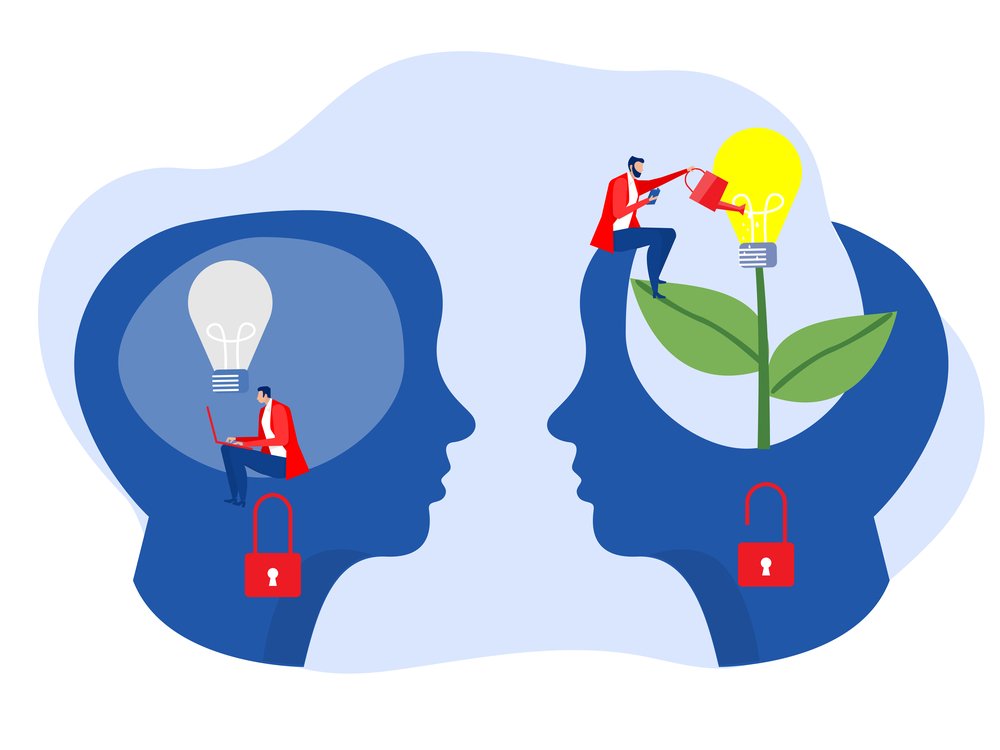
What Is Behavioural Change, Really?
At its simplest, behavioural change means doing something different from what you did before.
It could be:
- A manager starting to listen more during meetings
- A team member replacing blame with accountability
- An employee deciding to take regular breaks to avoid burnout
Behavioural change happens when a new action becomes the new normal—not just a one-time effort, but a sustained habit.
Why Is Behavioural Change So Important?
Because knowledge doesn’t mean much if it doesn’t lead to action.
Think about it:
- You can attend a workshop on time management… but if you still don’t plan your day, did it really help?
- You might know the benefits of giving feedback… but if you never actually give it, has anything changed?
Behavioural change is the missing link between knowing and growing.
When people do something different—and keep doing it—performance improves. Teams become stronger. Leaders become more effective. And that’s when companies truly evolve.
Where Does Behavioural Change Happen?
Anywhere people are trying to improve or adapt:
- In the workplace: shifting team habits, communication styles, or decision-making patterns
- In personal life: improving sleep habits, reducing screen time, or being more mindful
- In society: campaigns encouraging seatbelt use, recycling, or getting vaccinated
Wherever change is needed, behaviour is at the center of it.
What Drives Behavioural Change?
Great question. Here are the three key ingredients (based on the popular COM‑B Model):
- Capability
- Do they know how to do the new behaviour?
- Do they have the skills or tools needed?
- Opportunity
- Does the environment support this new behaviour?
- Are there resources or systems that make it easier?
- Motivation
- Do they want to change?
- Do they believe it matters?
Remove just one of these, and behaviour change becomes much harder.
How Can You Start Applying It?
Let’s say you want to encourage behavioural change in your team.
Here’s a simple approach:
- Step 1: Identify the behaviour you want to change
- Step 2: Ask what’s missing (skills, tools, support, motivation?)
- Step 3: Remove the friction and add support
- Step 4: Reinforce and celebrate the change
Small steps lead to sustainable shifts—especially when you’re consistent.
Common Mistakes Beginners Make
If you’re new to all this, here are some traps to avoid:
- Trying to change too much at once
- Skipping the “why” behind the change
- Not following up or reinforcing consistently
Keep it simple. Clear. Supported. And trackable.
The Real Power of Behavioural Change
It’s not just about changing habits. It’s about unlocking growth.
When you help someone change their behaviour, you’re:
- Improving how they perform
- Strengthening relationships
- Elevating culture
- Driving better results
In short: behavioural change is the most human—and the most strategic—thing you can invest in.
Conclusion
CP Tham’s leadership message is clear: your legacy as a leader or trainer is not in what you say—it’s in how people change because of you.
Behavioural change is not a side effect of good leadership.
It is the outcome.
And when it’s intentional, reinforced, and measured, it becomes the most powerful driver of performance across any team or organisation.
Frequently Asked Questions
1. What is behavioural change in the context of leadership and training?
Behavioural change refers to consistent, observable shifts in how individuals act, communicate, and make decisions as a result of leadership or learning initiatives.
2. Why is behavioural change considered a better metric than course completion or test scores?
Unlike passive indicators, behavioural change shows that learning has been applied. It connects directly to performance outcomes, making it the most valuable form of ROI.
3. What are common barriers to behavioural change in organisations?
Typical blockers include:
- Lack of psychological safety
- Inconsistent leadership modelling
- Unclear expectations
- No follow-up or feedback loops
Removing these is essential for lasting change.
4. How can leaders promote behavioural change within their teams?
Leaders can support change by:
- Modelling the behaviours they want to see
- Creating space for feedback and reflection
- Aligning performance metrics with behavioural goals
- Recognising and rewarding behavioural wins
5. How do you measure behavioural change effectively?
You can track behavioural change through:
- Pre/post behaviour assessments
- 360-degree feedback
- Observational tracking
- Behaviour-linked KPIs
Effective measurement is about consistent actions—not just attitudes.

A trailblazer in humanising leadership and building high-resilience teams. As a former United Nations Peacekeeper, he leverages his high-stakes experience to redefine leadership dynamics. With a career distinguished by numerous accolades, Joseph now helps organizations thrive through a human-centric approach, enhancing performance, productivity, and workplace culture.