Team culture directly determines hiring success because candidates don’t just join roles—they join the energy, behaviors, and emotional climate of your people.
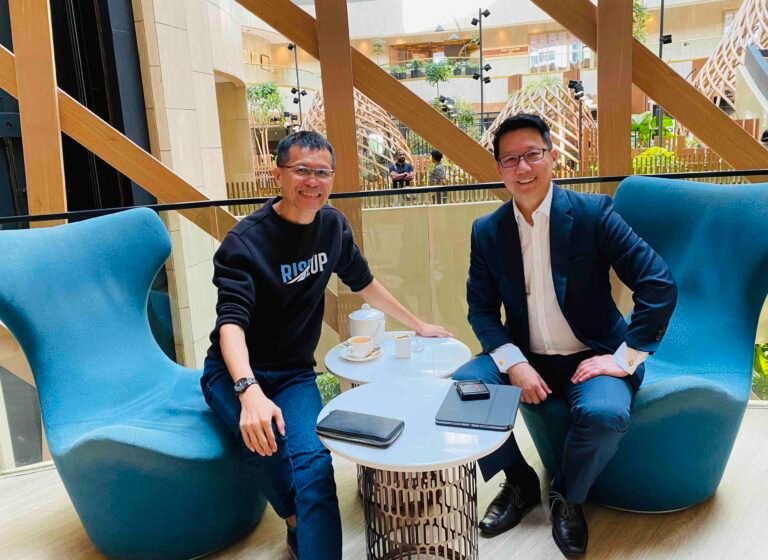
I was reminded of this during a high-energy, laughter-filled, deeply insightful conversation with Lance Foo, Head of Talent Acquisition at NCS. The moment I walked into their headquarters, I felt it—the pulse, the rhythm, the unmistakable vibe of a tribe that knows exactly who they are becoming.
Great spaces don’t just look good.
They feel good.
And candidates pick up that energy long before they read a job description.
Team culture and hiring are inseparable. And Lance’s insights reframed this truth in a way that every leader and recruiter needs to hear.
Why Should Hiring Be a Talent Conversation, Not an Interview?
Hiring should shift from a traditional interview to a talent conversation because conversations create psychological safety—while interviews create pressure.
Lance put it perfectly:
“We should stop interviewing and start having conversations.”
An interview signals judgment.
A conversation signals curiosity.
An interview triggers rehearsed answers.
A conversation reveals the human beneath the résumé.
This relational approach is rooted in recruitment psychology, where trust and emotional connection in the first interaction determine:
whether a candidate opens up
whether you see their real strengths
whether culture-fit hiring becomes possible
whether they feel the team vibe they’re joining
In today’s talent market, Day Zero doesn’t begin on the first day of work—it begins with the very first conversation.
And that conversation should reflect the team culture candidates are stepping into:
relaxed, authentic, purposeful, human.
If the vibe is right, the right people will rise to meet it.
Why Do Leaders Need Psychological Fitness More Than Toughness?
Leaders need to be psychologically fit—not just tough—because toughness burns teams out, while psychological fitness strengthens them.
A lot of organizations still glorify toughness: fast, hard, aggressive performance cultures. But as Lance and I discussed, that era is dying. The new currency of high-performing teams is psychological safety at work.
Burnout isn’t a performance flaw.
It’s a leadership signal.
Psychologically fit leaders:
model boundaries, not burnout
build emotional safety, not silence
energize teams, not exhaust them
create cultures where people can perform without breaking
Teams don’t care how hard a leader can push.
They care how deeply a leader can care.
That mutual loop of care is where team synergy actually begins.
If companies want resilience, they must first build leaders who are resilient in healthy, human ways.
How Does Hiring for the Zone of Genius Transform a Team?
Hiring for the zone of genius transforms a team because alignment—not competency—is the real engine of sustained performance.
You can feel it instantly:
A candidate lights up when they talk about what energizes them.
A team member enters flow when doing work aligned with their strengths.
That’s not coincidence.
That’s zone of genius hiring.
Effortless effort is the signal.
Great companies look for:
what a candidate is brilliant at
where they naturally shine
what type of work creates energy instead of draining it
This approach is essential in a global job landscape reshaped by layoffs and transitions. There is incredible talent available—but only the environments that value alignment will unlock their genius.
Hiring for alignment isn’t about creating clones.
It’s about curating a diverse ecosystem of strengths that amplifies team culture and hiring outcomes.
Companies that master this don’t just hire talent—they retain genius.
Why Does Your Vibe Attract Your Tribe in Hiring?
Your vibe attracts your tribe because team energy acts as a silent recruitment filter long before job ads or interviews.
When candidates walk into your office—or log into a virtual conversation—they’re evaluating more than the role. They’re evaluating:
the team’s emotional tone
the leadership energy
whether people smile genuinely
whether the culture feels alive or drained
whether they feel like they belong
Culture isn’t your website copy.
Culture is what people feel the moment they step into your space.
And nothing repels talent faster than leaders who preach “people-first” but radiate stress, insecurity, or disconnection.
If your energy doesn’t match your ambition, your team won’t match your vision.
The right people are drawn to the right environment.
The wrong culture pushes everyone away.
How Should Leaders Show Up in the Hiring Space?
Leaders should show up intentionally in the hiring space because every interaction signals your culture and defines your talent attraction strategy.
Lance reminded me of something powerful:
“Every touchpoint with a candidate is a cultural signal.”
Hiring is leadership.
Onboarding is leadership.
Coaching is leadership.
Candidates aren’t evaluating whether you have a job for them.
They’re evaluating whether you have a future for them.
And leaders who show up with presence, clarity, empathy, and energy build teams that aren’t just hired—but aligned.
Team culture and hiring are not separate functions.
They are one continuous ecosystem.
When leaders curate the right vibe, they build tribes that grow, flourish, and rise together.
Conclusion
The future of hiring is not transactional—it is transformational.
It requires leaders who understand that:
culture is a magnet
energy is communication
psychological safety shapes performance
alignment unlocks genius
hiring conversations build trust
leadership presence attracts top talent
Your vibe is your hiring strategy.
Your culture is your talent brand.
Your energy is your recruitment funnel.
Build intentionally.
Lead consciously.
Create a tribe worth belonging to.
Frequently Asked Questions
How does team culture influence hiring outcomes?
What is the difference between an interview and a talent conversation?
Why is psychological safety important in recruitment?
How can leaders improve cultural fit hiring?
What is “zone of genius” hiring?
How does energy affect talent attraction?
What role does leadership play in hiring the right talent?
Why do top candidates reject offers even when the role is great?

A trailblazer in humanising leadership and building high-resilience teams. As a former United Nations Peacekeeper, he leverages his high-stakes experience to redefine leadership dynamics. With a career distinguished by numerous accolades, Joseph now helps organizations thrive through a human-centric approach, enhancing performance, productivity, and workplace culture.
Related Posts
 How To Build A Strong Team Culture Through Leadership
When Diversity Feels Like a Strength—Until It’s Not At first glance, a team made up…
 Raising An Avengers Team Is About...
Today, our RISEUP Conversation is with Ian Wong, Managing Director of International Mgmt with UOB,…
 More Than 60 CEOs and Leaders, And Still Counting
It has been an amazing years since I started 𝗥𝗜𝗦𝗘𝗨𝗣 to 𝗛𝘂𝗺𝗮𝗻𝗶𝘇𝗲 𝗟𝗲𝗮𝗱𝗲𝗿𝘀𝗵𝗶𝗽. During this…
 Influence My Team into Action
There is a stark difference between a group of individuals assigned to a project and…