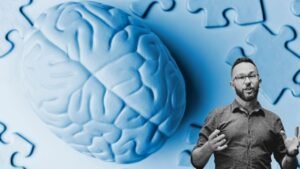
Leadership critical thinking—not charisma or confidence—is now the defining superpower of today’s leaders.
This became even clearer during our recent leadership development session with IPOS International, an organisation shaping Singapore’s future through innovation and intellectual property strategy. What unfolded was more than a training—it was a deep exploration of how mindset, perspective, and openness fuel business growth and human leadership alike.
Because the truth is simple:
How we think is how we grow.
Not just as individuals, but as leaders, teams, and entire organisations.
What Makes a Real Growth Mindset in Leadership Today?
A real growth mindset in leadership requires resilience, reflection, and intellectual humility—not just positivity.
At IPOS International, leaders weren’t interested in motivational posters or surface-level mindset coaching. They leaned into the real work of mindset transformation—challenging their assumptions, embracing discomfort, and strengthening the ability to engage with uncertainty.
Here is what emerged:
A growth mindset is a discipline, not a mood.
Leadership critical thinking is now the new leadership currency.
Openness isn’t a soft skill—it is innovation fuel.
Experience becomes a barrier, not an advantage, when leaders refuse to adjust their thinking.
In fields where intellectual property and innovation hold national value, these thinking frameworks aren’t optional. They define competitive relevance.
This is why modern leaders must cultivate business soft skills, reflective practice, and adaptive leadership thinking—not just technical mastery.
How Does Innovation Grow When Leaders Think Differently?
Innovation grows when leaders adopt psychological flexibility and challenge their own assumptions.
The most compelling moment at IPOS International was witnessing leaders think beyond their expertise. Yes, innovation starts with protecting great ideas—but sustainable innovation comes from creating cultures where ideas evolve.
In the IP landscape:
Your most valuable asset is not a patent—it is people who know how to think.
Your competitive edge lies in adaptive thinking and courageous learning.
Your IP strategy succeeds only when leadership culture encourages inquiry and reflection.
This is where leadership critical thinking, innovation leadership, and organisational learning meet.
Your people—not your technology—become the engine of long-term innovation.
Why Is Anti-Ego Essential for Leadership Critical Thinking?
Anti-ego strengthens leadership critical thinking by removing defensiveness and unlocking true learning.
One of the most transformative conversations during the session was about “anti-ego.”
Ego blocks creativity. Anti-ego accelerates innovation.
Here’s why:
Ego says, “I already know.”
Anti-ego says, “I’m still learning.”
Ego clings to hierarchy.
Anti-ego invites collaboration.
Innovation rarely comes from certainty—it comes from leaders who are willing to be wrong, rethink, and grow.
Breakthroughs happen when leaders stop needing to win and start wanting to learn.
This trait—intellectual humility—is at the core of leadership critical thinking and reflective leadership practice.
How Do Leaders Shift from Good to Significant?
Leaders shift from good to significant by elevating how they think, not just how they perform.
IPOS leaders came into the session not to refine skills—but to transform perspective.
They wanted to lead more intentionally, more humanly, and more strategically.
Their shift required:
Moving from fixed mindset to fluid leadership thinking
Moving from safe decisions to bold exploration
Moving from technical leadership to mindset leadership
This is the evolution organisations need most: leaders who stretch not just their competencies, but their consciousness.
Why Does Leadership Critical Thinking Matter More Than Ever?
Leadership critical thinking matters because innovation begins in the mind long before it becomes strategy.
If we want innovative organisations, we must cultivate innovative thinking.
If we want adaptive teams, we must model adaptive thinking.
If we want growth, we must question our own patterns.
Today’s leaders must routinely ask:
“What if I’m wrong?”
“What haven’t we considered yet?”
“How could we think differently—together?”
In a world where intellectual property and innovation determine national and business value, the quality of leadership thinking has become a strategic asset.
IPOS International reminded us of this truth:
Innovation isn’t built by frameworks—it’s built by how leaders think.
Conclusion: Better Thinking Creates Better Leadership
Leadership today is no longer defined by control, charisma, or expertise.
It is defined by critical thinking, growth mindset, and the humility to keep learning.
If leaders want to create meaningful change, they must cultivate:
Courage to question
Openness to unlearn
Flexibility to adapt
Humility to grow
Because when leaders elevate their thinking, they elevate their teams, their organisations, and their impact.
Better thinking.
Better innovation.
Better leaders.
Frequently Asked Question
What is leadership critical thinking?
Why is critical thinking important for innovation?
How does a growth mindset support leadership thinking?
What is psychological flexibility in leadership?
How can leaders develop better thinking habits?
Why is ego a barrier to innovation?
How can organisations build cultures of critical thinking?

A trailblazer in humanising leadership and building high-resilience teams. As a former United Nations Peacekeeper, he leverages his high-stakes experience to redefine leadership dynamics. With a career distinguished by numerous accolades, Joseph now helps organizations thrive through a human-centric approach, enhancing performance, productivity, and workplace culture.
Related Posts
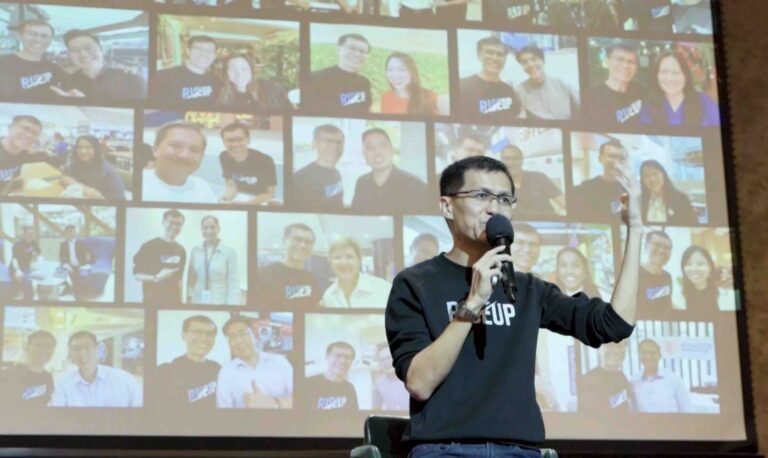 Forget Positive Thinking. THINK POSSIBILITIES
https://youtu.be/3ix-qX_yYgU This video is an exclusive 2-minute highlight of my recent keynote at our 2nd…
 Leadership is Influence
A leader’s ability to influence people makes him/her a good or a bad leader. Influence…
 Mastering Accountability in Leadership: A Path to Effective Leadership
In the current dynamic business environment, accountability in leadership is more than a buzzword—it’s the…
 How Strategic Thinking Can Help You Dominate Every Area of Your Life
Let’s talk about something that can change how you navigate life: strategic thinking. You might…