Human-centered leadership is the discipline of placing people, presence, and purpose at the core of how we lead—and it is the first leadership lesson of 2025 because leaders today cannot impact culture unless they first understand the humans who build it.
This truth didn’t come to me in a boardroom.
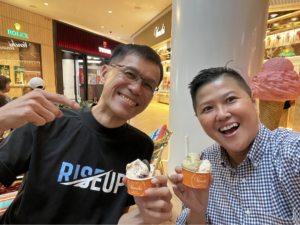
It began with a simple cup of hot chocolate and a heartfelt conversation with Sze Keed Wong, CEO of AIA Singapore.
What struck me wasn’t her title, her portfolio, or the scale of her work.
It was her lens. Her awareness. Her conviction that leadership, at its deepest level, is a human responsibility.
Our conversation reminded me that many leaders talk about human-centered leadership as a concept.
But Sze lives it as a practice.
Her insights shaped the three leadership truths that follow—truths I’ve spoken about before, but now see through a completely different light because of her CEO-level perspective.
How Does Human-Centered Leadership Shift Focus From the Leader to the People?
When Sze spoke about how she leads AIA Singapore, one theme came up over and over again: closeness to people.
Not symbolic closeness.
Not structured townhalls.
Real proximity.
“I love walking the floors and hearing directly from our teams,” she shared. “You learn what truly matters when you stay close to the people who serve your customers every day.”
This is servant leadership expressed with CEO clarity.
It is people-first leadership lived without performance or posturing.
While many leaders unintentionally drift into distance—because of their title, pace, or pressure—Sze intentionally rejects that drift. She leads from alongside, not above.
Her approach echoes what I’ve believed for years:
Leadership is not about being the genius in the room—it’s about becoming the steward of the people in it.
What makes Sze’s perspective especially powerful is how she integrates humanity into scale.
Most leaders say they care about people.
Few design their leadership around it.
Reflection: What are you truly championing as a leader—your people or your position?
How Does Leadership Resilience Reflect Who You Are—Not Your Title?
Leadership often glamorizes resilience as strength under pressure.
But Sze reframed it as something deeper:
“Resilience is who you are when the spotlight is off.”
That hit home for me because it echoed a personal chapter—my four-year battle with severe infection and the uncertainty that followed. During that time, I had no title, no projects, no guarantees. But I had one practice:
I showed up anyway.
When I told her this, Sze responded with a perspective only a seasoned CEO could offer. She said that leaders today are celebrated for performance—but their teams look to them for presence. For steadiness. For emotional truth.
Resilience in 2025 is not about being unbreakable.
It’s about being anchored.
Anchored in values.
Anchored in purpose.
Anchored in human truth.
Her insight deepened my belief that leadership resilience is not built in public—it is built in the unseen decisions to stay in the game.
Reflection: Are you still showing up in the moments when your title cannot show up for you?
Why Is the Old Leadership “Ship” Gone—and What Replaces It?
During a RISEUP leadership session, I said something that surprised even me:
“Leadership is no more… because there is no more ship to lead.”
Sze took this idea further.
She explained that in today’s dynamic, hybrid, fast-shifting workplace, no CEO is steering a neatly defined ship.
There is no singular direction.
No controlled environment.
No predictable landscape.
Instead, leadership today is co-creation.
It is collective stewardship.
It is empowering the right people in the right roles, not controlling their movements.
This is where values-based leadership becomes the anchor—not strategy, not hierarchy, not certainty. Your values define the space you create for others to lead.
Sze emphasized something profound:
“The P&L matters. But the people building the P&L matter even more.”
This is human-centered leadership at its peak—not soft, not idealistic, but strategically essential.
Leaders today are no longer captains.
They are culture shapers.
Energy holders.
Stewards of human potential.
Reflection: What part of your leadership will people remember when your LinkedIn headline is no longer in front of them?
Why Human-Centered Leadership Is No Longer Optional o the Brand New World?
What stayed with me after speaking with Sze wasn’t a strategy or a framework—it was a feeling.
A feeling that leadership can be:
gentler,
more grounded,
more compassionate,
and ultimately, more effective.
Human-centered leadership is not a nice-to-have.
It is the leadership required for:
hybrid workforces
multigenerational teams
emotionally complex environments
burnout-heavy landscapes
uncertain markets
The world doesn’t need louder leaders.
It needs leaders who listen.
Who show up.
Who stay human.
Who lead from the heart, not just from the hierarchy.
This is not only what leadership looks like in 2025—
it is what leadership must become.
Conclusion: Lead With Humanity, and Your Legacy Will Lead Itself
Through Sze’s insights, one truth became undeniable:
Human-centered leadership is not a leadership style—it is a leadership identity.
It equips leaders to:
build trust
strengthen resilience
shape culture
empower teams
create meaningful workplaces
lead with clarity and care
2025 will reward leaders who choose humanity over hierarchy, presence over pressure, and service over self-promotion.
You don’t lead because you are in charge.
You lead because people trust you enough to follow.
Let’s rise together—with humanity at the center.
Frequently Asked Questions
How do CEOs practice human-centered leadership differently from other leaders?
Why is “walking the floor” an important habit for leaders?
How does leadership identity change when titles fall away?
Why is emotional steadiness a key leadership skill today?
What replaces the traditional top-down leadership model?
How can leaders shape culture without micromanaging?
What leadership behaviors create a sense of safety for teams?
How does storytelling strengthen modern leadership?
What does legacy mean in human-centered leadership?
How can leaders stay human while delivering strong performance?
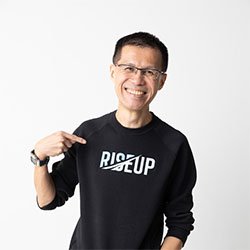
A trailblazer in humanising leadership and building high-resilience teams. As a former United Nations Peacekeeper, he leverages his high-stakes experience to redefine leadership dynamics. With a career distinguished by numerous accolades, Joseph now helps organizations thrive through a human-centric approach, enhancing performance, productivity, and workplace culture.
Related Posts
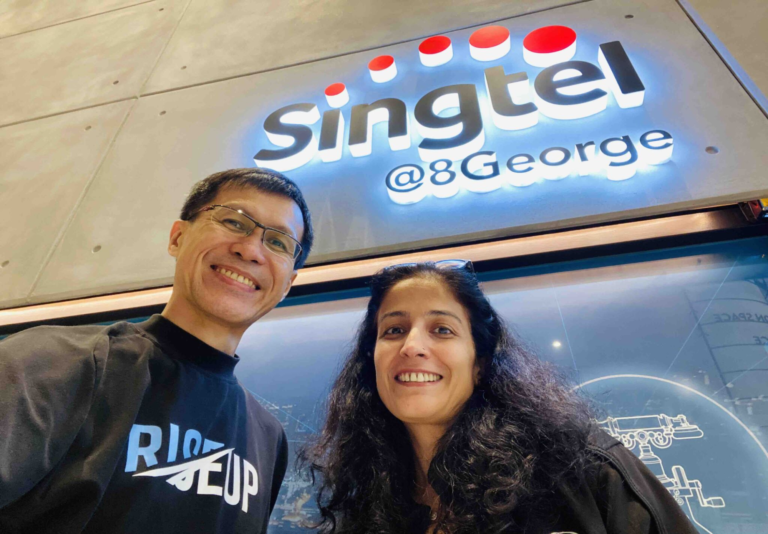 What Is Human-Centered Leadership Really About?
Leadership today is not about the leader — it’s about the people they lift, empower,…
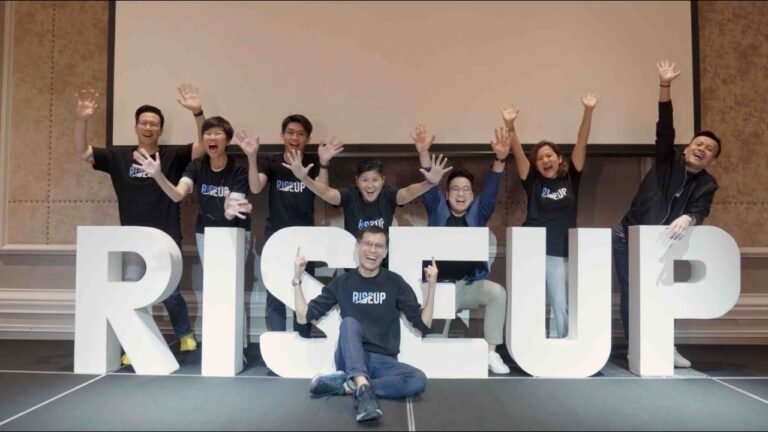 Human Centered Leadership: Are We More Human Before Business?
"Human-centered leadership often feels like it’s all about deadlines, numbers, and goals. But what if…
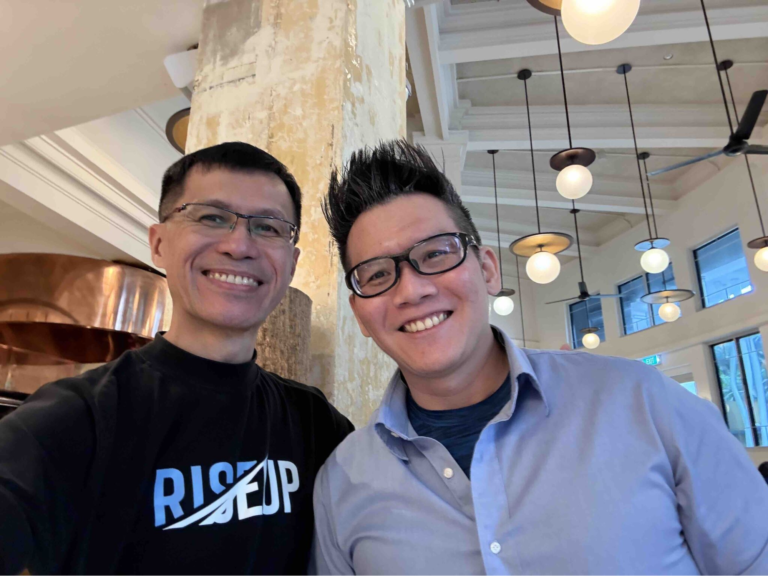 Are You a Human Leader?
You are a human leader when your decisions, behavior, and communication prioritize clarity, empathy, trust,…
 Be a BETTER OFFLINE HUMAN than Online Human
It is one thing to be given a digital badge on Linkedin. but it…